Axis deer are from India and make up part of the natural diet of bengal tigers.
Axis deer are also known as spotted deer or chital
Read more
Category: Herbivore
Location: Foot Safari
Tapir are ungulates which means they have hooves, however they are different in that they have an odd number of toes on each foot. This detail, together with their digestive system is in common with two other relatives, the horse and the rhino. These are odd-toed ungulates and the tapir is a typically solitary animal, the lowland tapir can be found across much of South Americas tropical rainforest but they live predominantly in Brazil.
Their habitat is a mixture of tropical montane forests, swamps and lowland forest. Lowland tapirs like to live close to water and are very good swimmers.
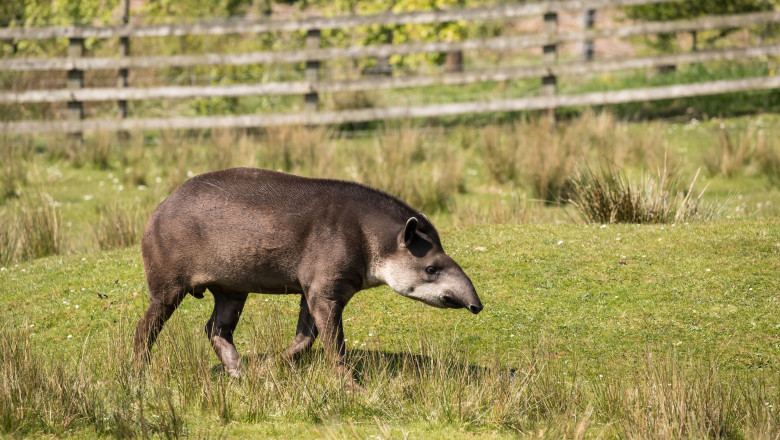
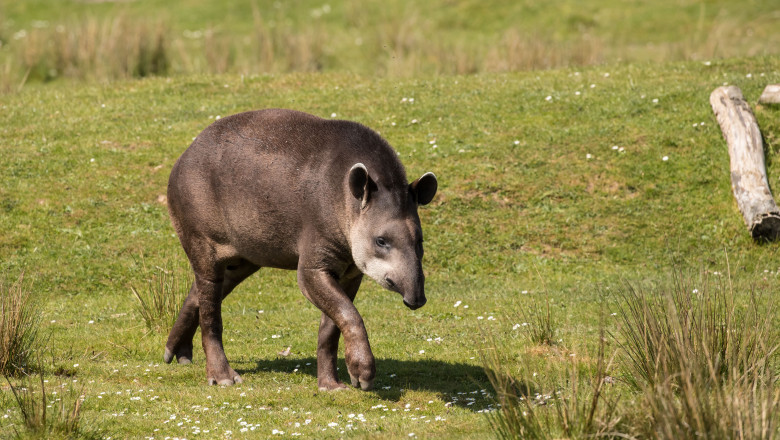
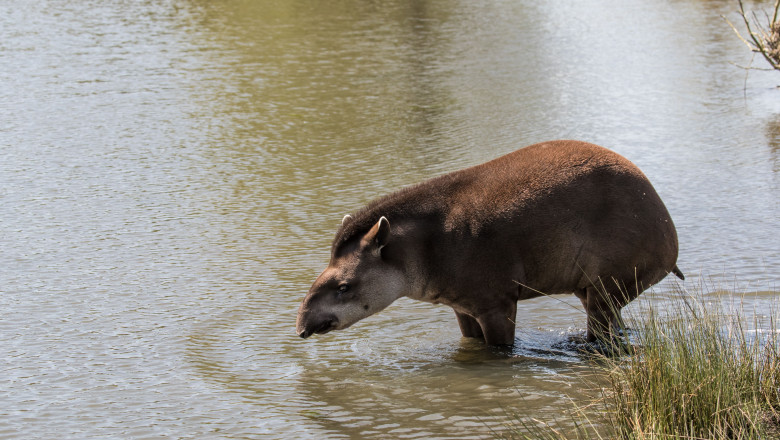
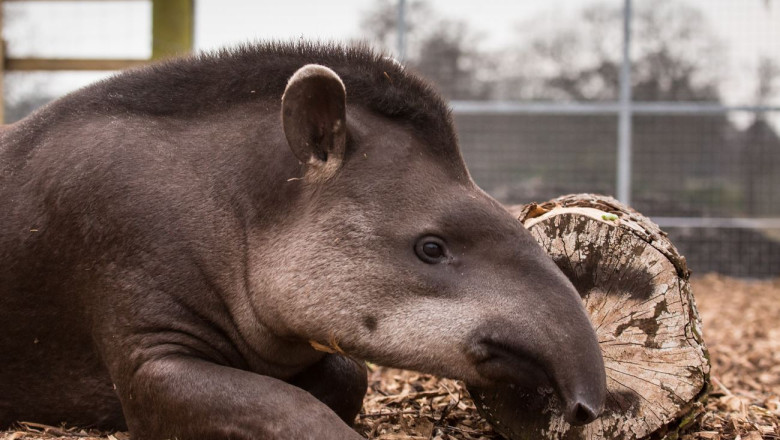
The tapir are part of the equatorial trail which has other animals found along the equator which share similar wetland adaptations. You can explore the equatorial trail either from a raised viewing platform, on the miniature train ‘equatorial express’ or by boat during the spring and summer seasons.
The equatorial express train will take you through the equatorial trail giving great views of the capybara, tapir and sitatunga antelope so you can have the opportunity of seeing the animals either on land or in the water. Tickets for the express train can be bought from the information centre.
Axis deer are from India and make up part of the natural diet of bengal tigers.
Axis deer are also known as spotted deer or chital
Read more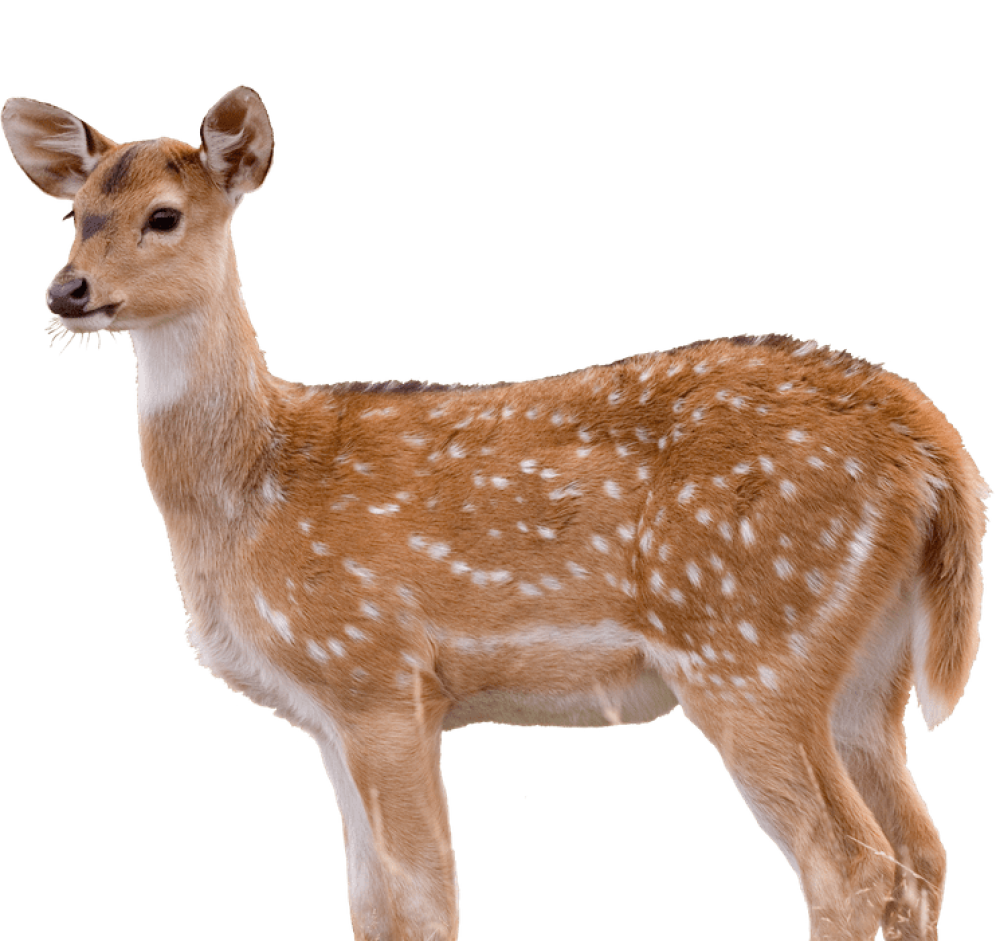
Axis deer are from India and make up part of the natural diet of bengal tigers.
Axis deer are also known as spotted deer or chital
Read more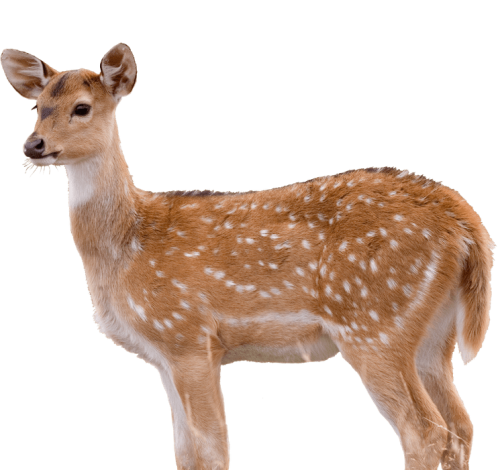
The two-humped Bactrian Camel lives in the highlands of Central Asia, where it feeds on prickly scrub and salty water.
Camels store fat in their humps, not water!
Read more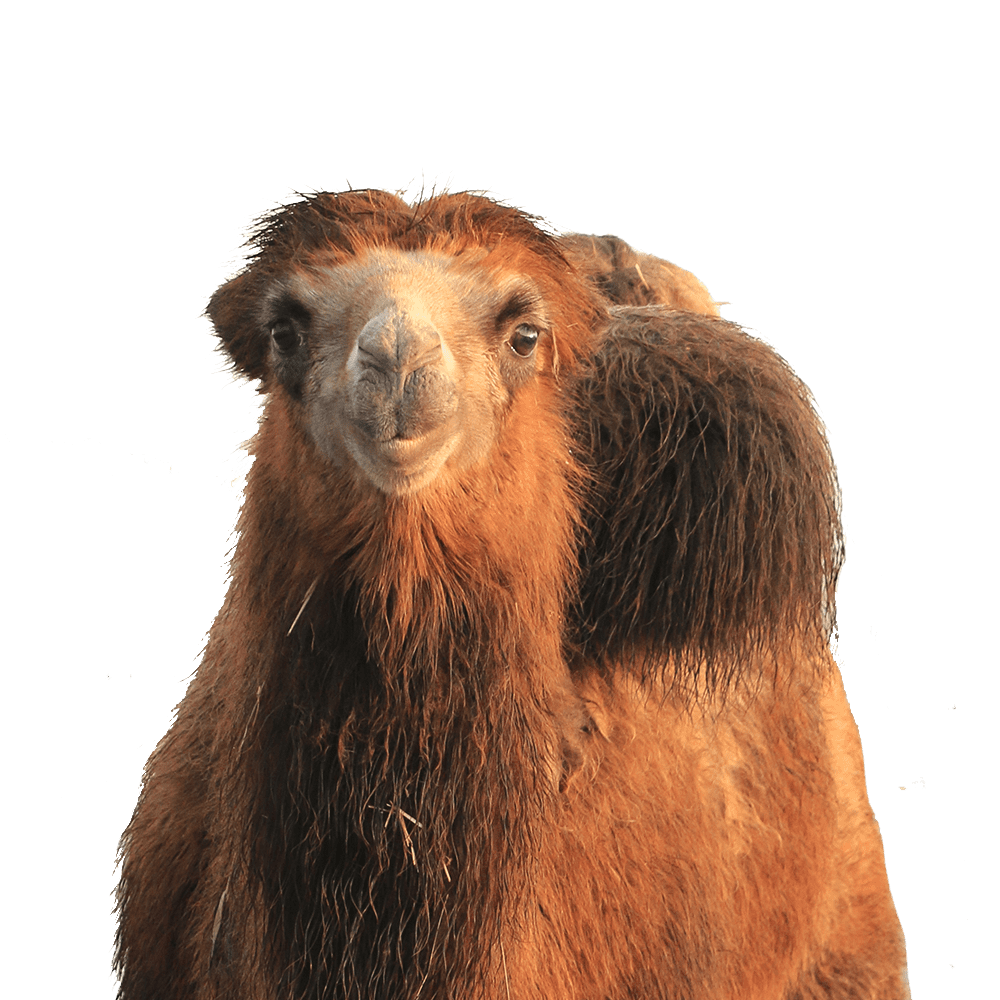
The two-humped Bactrian Camel lives in the highlands of Central Asia, where it feeds on prickly scrub and salty water.
Camels store fat in their humps, not water!
Read more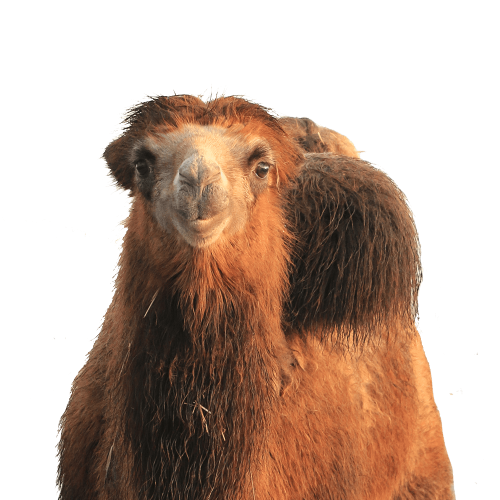
The blackbuck is the smallest antelope we have on safari. They're from the dry forests and open plains of Pakistan and Northern India
Male blackbuck coats get darker and darker as they get older
Read more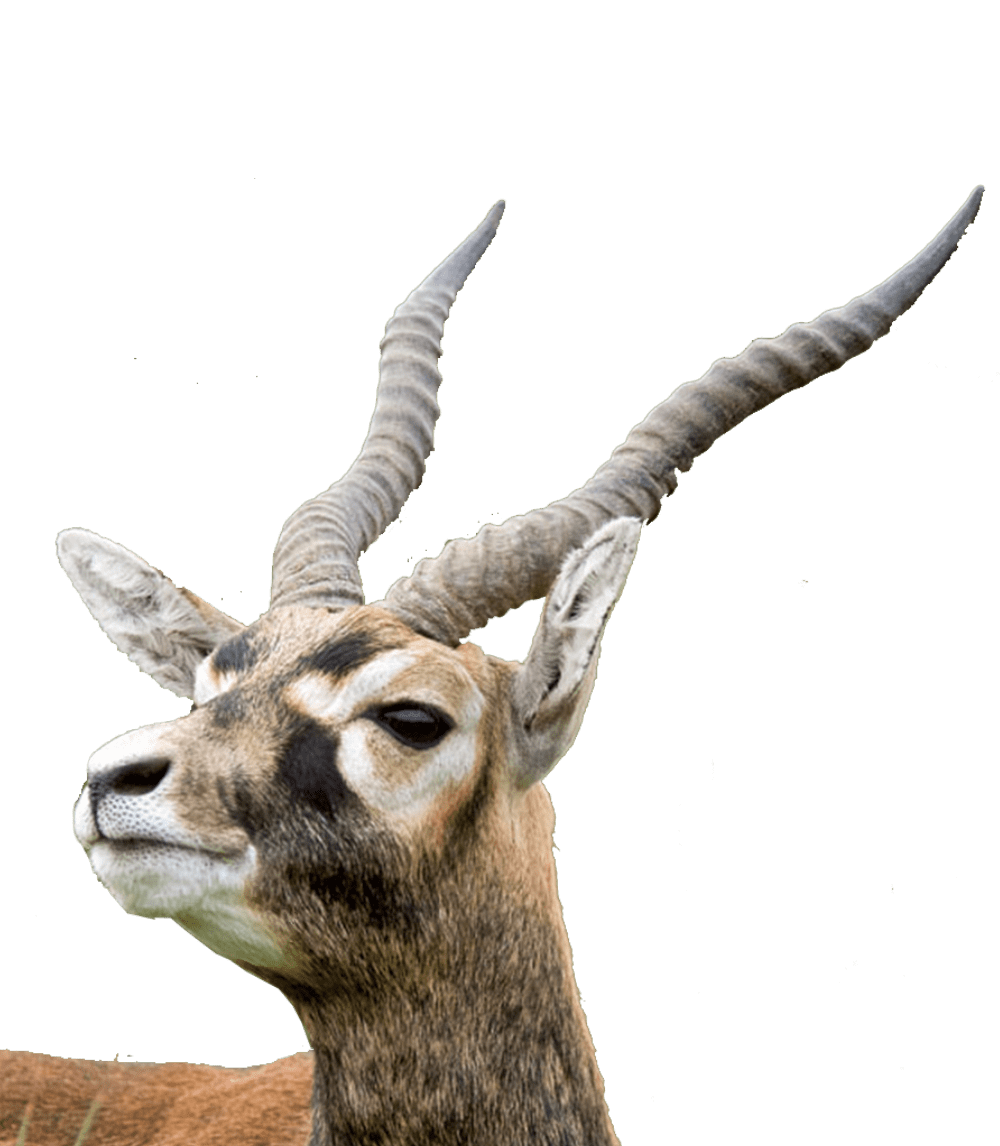
The blackbuck is the smallest antelope we have on safari. They're from the dry forests and open plains of Pakistan and Northern India
Male blackbuck coats get darker and darker as they get older
Read more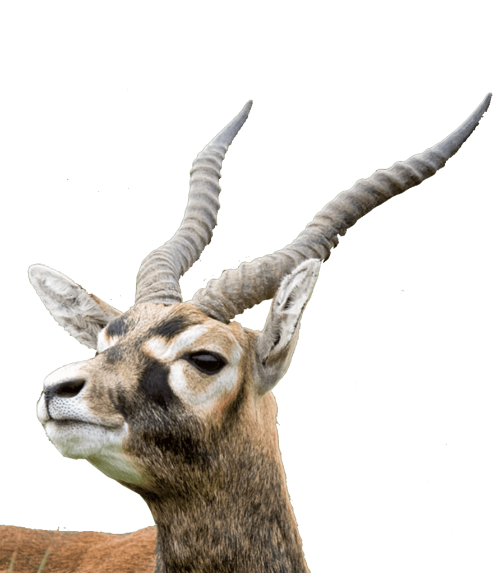
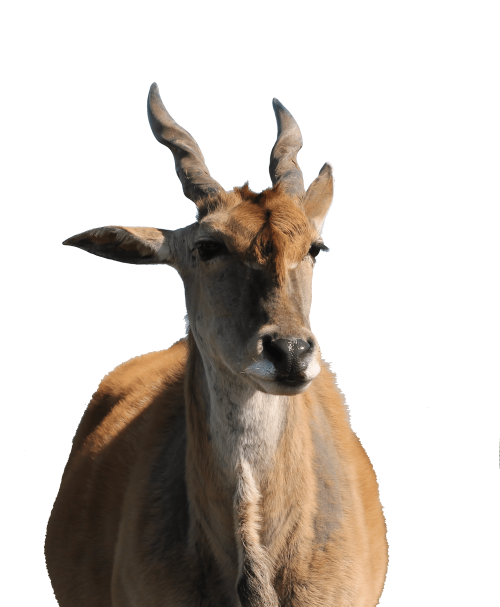
Adult male eland are larger than the female of the species but both males and females have horns.
The eland is the largest living antelope in the world.
Read more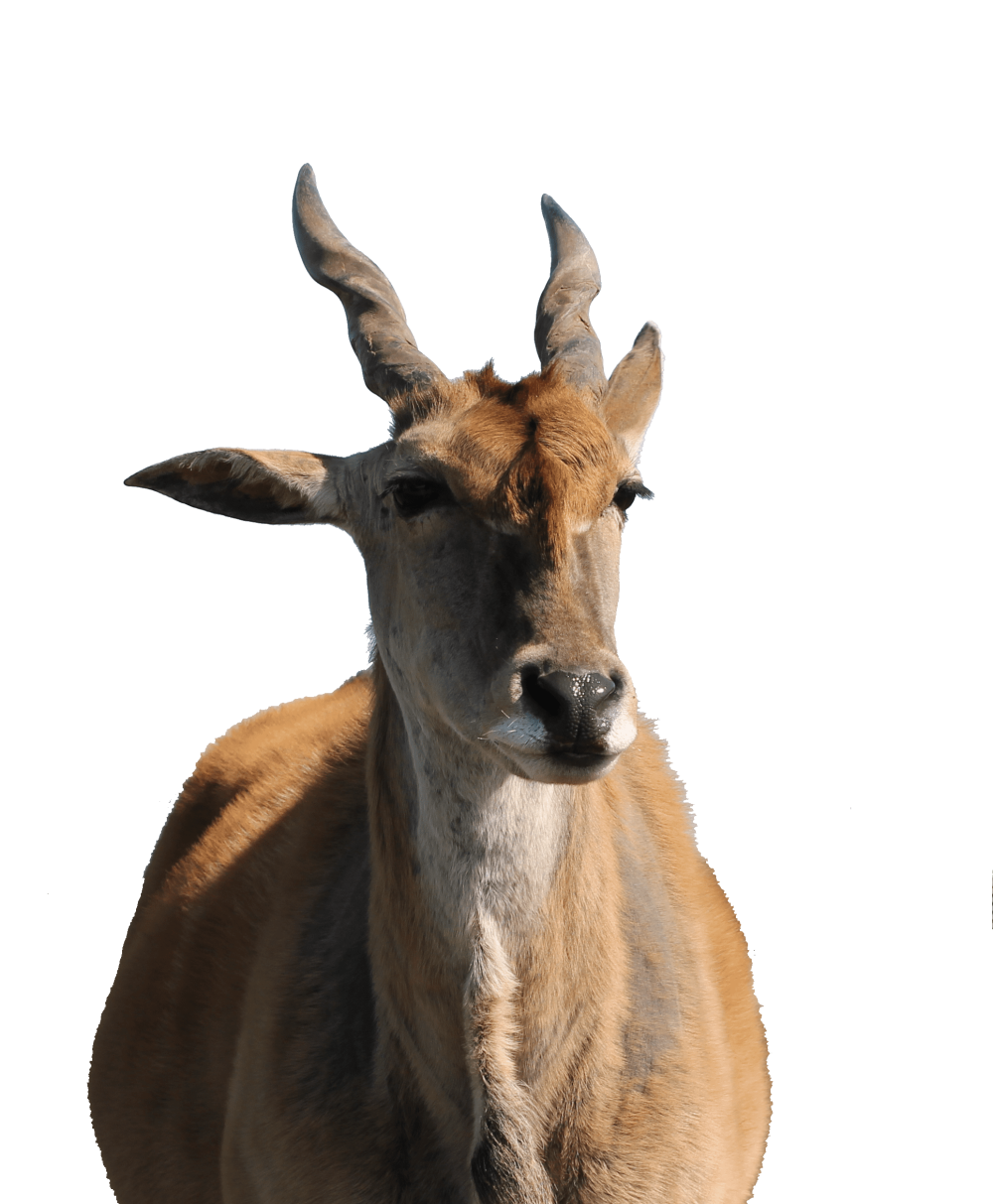
Adult male eland are larger than the female of the species but both males and females have horns.
The eland is the largest living antelope in the world.
Read more